
Blog
How to Choose the Right Rug Size for Every Room

Choosing the right rug is about more than finding a design that matches your furniture. The correct size can make a room feel more balanced, comfortable and inviting. Whether you are considering a Modern Handmade Rug Wool and Silk or a simpler design, understanding rug dimensions is essential for creating a harmonious interior. A well-proportioned rug connects furniture pieces and gives the space a more cohesive appearance.
A Modern Handmade Wool and Silk Rug can become a beautiful focal point in any room, but even the most carefully crafted piece may look out of place if its dimensions are unsuitable. A rug that is too small can make furniture appear disconnected, while an oversized one may overwhelm the space. Consider the room’s layout and furniture placement before making your choice.
Choosing the Right Rug Size for Your Living Room
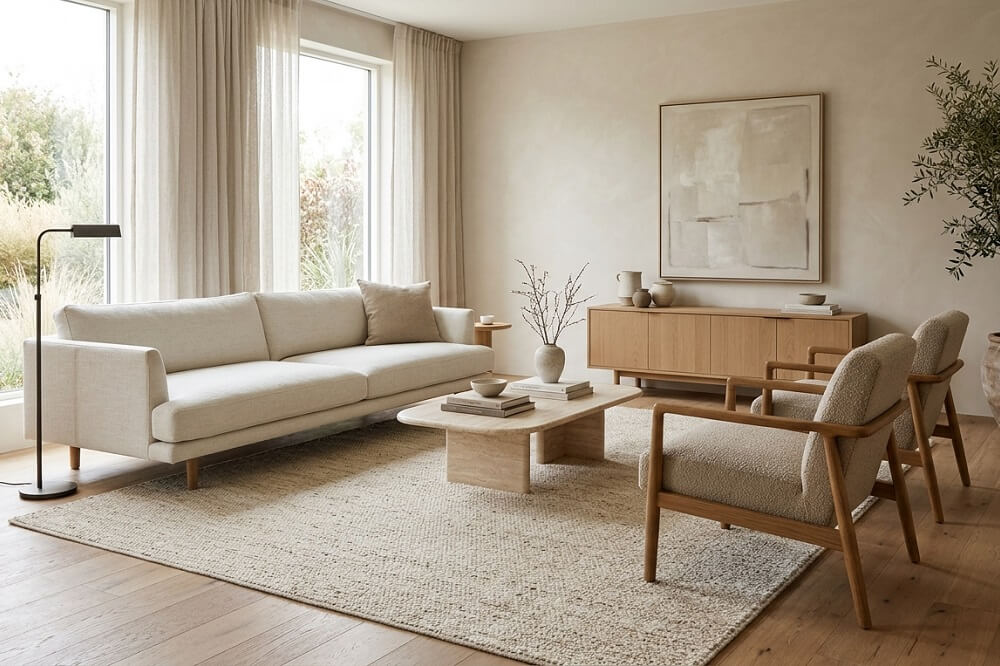
The living room is often the most challenging space when choosing rug dimensions. The rug should visually connect the seating area rather than appear as an isolated decorative element.
In spacious living rooms, placing all the main furniture, including the sofa and armchairs, entirely on the rug creates a cohesive look. In smaller spaces, placing only the front legs of the furniture on the rug is a practical alternative.
Ideally, the rug should extend beyond the sides of the sofa. Avoid choosing one that only fits beneath the coffee table, as this can make the seating area look fragmented.
Finding the Ideal Rug for Your Bedroom
In the bedroom, a rug adds warmth, softness and comfort. Its placement should complement the bed and surrounding furniture.
A popular arrangement is to position a large rug underneath the bed, extending beyond both sides and the foot. This creates a soft surface to step onto in the morning and gives the room a more complete appearance.
Alternatively, two smaller rugs can be placed on either side of the bed. A rug at the foot of the bed is another option, particularly in smaller bedrooms.
How to Size a Rug for Your Dining Room
When choosing a dining room rug, functionality is just as important as appearance. It should accommodate the table and chairs, even when the chairs are pulled out.
A useful guideline is to choose a rug that extends approximately 60–75 cm beyond each edge of the table. This allows chairs to remain on the rug when someone sits down or stands up.
Rectangular rugs generally work best with rectangular tables, while round designs complement circular dining tables.
Choosing Rugs for Small Spaces and Hallways
Smaller rooms and narrow hallways require a slightly different approach. Choose a rug that leaves a visible border around its edges to maintain a sense of openness.
In hallways, runners are particularly practical. They add colour and texture while protecting frequently used walking areas. Measure the available length and width before choosing one, leaving enough space between the rug and the walls.
Common Rug Sizing Mistakes to Avoid
Even a beautiful rug may fail to enhance a room if its proportions are wrong. Keep these common mistakes in mind:
- Choosing a rug that is too small: This can make furniture appear disconnected.
- Ignoring furniture placement: Consider how the rug relates to sofas, beds and tables.
- Forgetting door clearance: Make sure doors can open freely, especially when choosing thicker rugs.
- Measuring only the empty floor area: Furniture arrangement should guide your decision.
- Overlooking the shape: Rectangular, square and round rugs create different visual effects.
Create a Balanced Interior with the Right Rug
The right rug size can transform the appearance and functionality of any room. By considering furniture proportions, room dimensions and everyday use, you can choose a piece that complements your interior.
Before purchasing, measure the available space and mark the intended rug dimensions on the floor. This simple step can help you avoid sizing mistakes.
Ultimately, a well-chosen rug does more than decorate a room. It brings different elements together, adds warmth and texture, and helps create a balanced and comfortable home.