
Blog
The Art of Styling Decorative Objects: Creating Balance Without Clutter

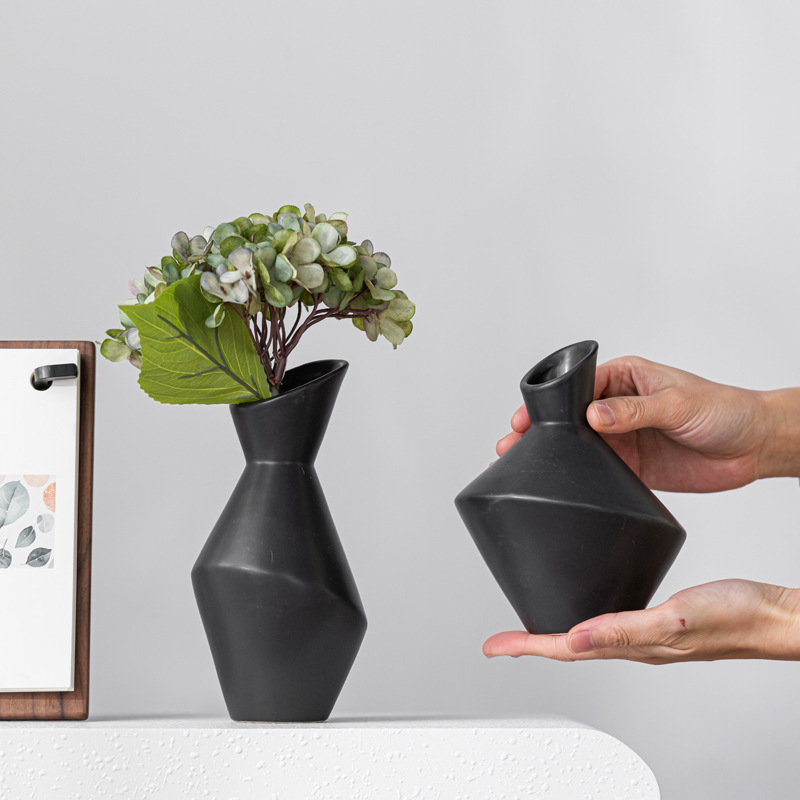
Styling decorative objects is an essential part of creating an interior that feels complete, welcoming and thoughtfully designed. The right accessories can introduce personality, add visual interest and bring different elements of a room together. However, decorating successfully is not about filling every available surface. It is about choosing pieces that complement one another and arranging them in a way that feels natural. A Black ceramic large vase, for example, can become a striking focal point on a console table, sideboard or open shelf. Its dark colour creates contrast, while its sculptural shape adds character without requiring additional decoration around it.
One of the most important principles of styling is understanding how different objects interact. Decorative pieces should have enough space to stand out individually while contributing to a cohesive overall arrangement. Combining objects with different shapes, heights, textures and finishes helps create depth and prevents a display from looking flat. Ceramic couple decorations are an interesting choice for introducing a more personal and expressive element into a room. Their distinctive appearance can soften a contemporary interior, add a subtle artistic touch and create a visual connection with other decorative accessories.
Start with a Focal Point
Every well-composed decorative arrangement benefits from a focal point. Rather than displaying several equally prominent objects, choose one piece that naturally attracts attention and build the arrangement around it. This could be a large vase, an unusual sculpture or a decorative bowl with an interesting finish.
The focal point does not necessarily have to be the largest object, although size can help establish visual hierarchy. What matters is that the chosen piece has a distinctive quality that makes it stand out. Once it is in place, introduce smaller accessories that support its appearance without competing for attention.
For example, a statement vase can be paired with a small stack of books and a simple decorative object. This creates an arrangement with variation in height and form while keeping the overall look balanced.
Play with Height, Shape and Proportion
A display becomes more interesting when it includes objects of different proportions. Arranging accessories at exactly the same height can make a surface look overly structured, while introducing variation creates a more relaxed and dynamic composition.
A useful approach is to combine one tall object with one or two medium-sized pieces and a smaller accessory. This creates a natural visual rhythm and helps guide the eye across the arrangement.
Shape is equally important. Rounded decorative objects work well alongside angular accessories, while organic silhouettes can soften furniture with clean, straight lines. The contrast between different forms makes a display feel intentional without making it appear overly arranged.
Proportion should also be considered in relation to the furniture itself. A large sideboard can accommodate a more substantial arrangement, whereas a narrow console table usually benefits from a smaller selection of carefully chosen pieces.
Mix Materials and Textures
Combining different materials is another effective way to create visual interest. Ceramic, glass, wood, metal and natural stone each bring a different quality to an interior. When thoughtfully combined, they add depth and prevent decorative arrangements from looking repetitive.
Texture is particularly valuable in neutral interiors, where subtle differences in surface finishes can make a significant impact. Matte ceramics, glossy glass, textured stone and natural wood can work beautifully together, even when their colours are similar.
There is no need to introduce too many contrasting materials. Two or three complementary finishes are often enough to create an interesting composition. Repeating a particular material in different parts of the room can also help establish a sense of continuity.
Embrace Negative Space
One of the most overlooked aspects of interior styling is the importance of empty space. Leaving some areas of a shelf, table or sideboard undecorated allows individual objects to stand out and gives the entire arrangement room to breathe.
Negative space should be treated as an intentional design element rather than an unfinished area. When every available surface is covered with accessories, the eye has no clear place to rest. Even beautiful decorative pieces can lose their impact when displayed too closely together.
A practical way to avoid this is to edit your arrangement after completing it. Remove one or two objects and consider whether the remaining pieces create a stronger composition. In many cases, a smaller selection will have a much greater visual impact.
Create Groups That Feel Natural
Decorative accessories often look more harmonious when arranged in small groups rather than distributed individually across a surface. Grouping three objects of different heights or shapes is a simple starting point, although two carefully selected pieces can be equally effective.
Books can serve as a base for smaller decorative objects, while trays help organise accessories and visually define a particular area. These simple techniques are especially useful on coffee tables, where decorative arrangements need to remain attractive without interfering with everyday use.
It is also worth considering how the arrangement looks from different angles. A display should feel balanced not only when viewed directly but also when seen from the entrance to the room or from the seating area.
Let Your Personality Guide the Final Details
A beautifully styled interior should reflect the people who live in it. Decorative accessories offer an opportunity to introduce personal interests, memories and artistic preferences without making a room feel overcrowded.
Instead of following every decorating trend, choose objects that genuinely appeal to you and complement the character of your home. Some may have sentimental value, while others may simply stand out because of their colour, craftsmanship or unusual design.
The most successful arrangements are rarely the ones with the greatest number of accessories. They are the ones in which every object has a purpose, whether it adds colour, introduces texture, creates contrast or tells a personal story.
Ultimately, styling decorative objects is an exercise in finding the right balance between expression and simplicity. By paying attention to proportion, materials, visual hierarchy and negative space, you can create displays that feel polished and inviting. A carefully selected collection of accessories will bring character to your home while preserving the sense of openness that makes an interior truly comfortable.